

Patient referrals in the U.S. healthcare system are riddled with inefficiencies, losing practices up to $300,000 annually and leaving up to 65% of referrals incomplete. AI is transforming this process by automating tasks, reducing delays, and improving outcomes for both patients and providers. Here's how AI addresses seven common referral management challenges:
- Referral leakage: AI boosts completion rates from 45% to over 90% by automating outreach and tracking referrals in real time.
- Manual scheduling delays: AI reduces scheduling time by 73%, enabling same-day appointments and cutting no-show rates by up to 50%.
- Missing referral information: AI extracts and validates data from faxes and notes, saving up to 130 staff hours monthly.
- Limited referral visibility: AI tracks referrals end-to-end, ensuring follow-ups and reducing leakage by up to 50%.
- Poor care coordination: AI automates updates between providers, improving communication and reducing redundant tests.
- Insurance verification delays: AI processes prior authorizations 80% faster, meeting new CMS rules for 72-hour urgent requests.
- Data security risks: AI ensures HIPAA compliance with encryption, audit trails, and reduced manual handling of sensitive data.
AI-powered tools like Diagna's Referral Manager are reshaping referral workflows, saving time, improving patient care, and recovering lost revenue. These solutions are essential for practices aiming to thrive in today’s value-based care environment.
7 AI Solutions for Referral Management Challenges: Key Statistics and Impact
1. Referral Leakage and Lost Referrals
Operational Impact
Referral leakage happens when patients don't follow through with specialist visits - whether they opt for care outside the network or abandon the process altogether. This issue comes with both financial and clinical consequences. For instance, a 10-provider specialty practice can lose up to $2.5 million annually due to referral leakage.
The clinical risks are equally alarming. Imagine a primary care visit where a suspicious nodule is detected. If the referral to a specialist is lost, the patient might not receive timely care, allowing the condition to progress into advanced disease stages. Shockingly, 25% to 50% of referring physicians never find out if their patients attended their specialist appointments, increasing the likelihood of delayed diagnoses and potential liability. Addressing referral leakage is not just about finances - it’s about ensuring better patient care and outcomes.
To tackle these issues, AI-driven tools are offering promising solutions.
AI-Powered Solution Features
AI tools are stepping in to minimize these losses by automating critical referral processes. For example, manual data entry often slows down care, but AI uses technologies like Natural Language Processing (NLP) and Optical Character Recognition (OCR) to extract patient information and create electronic health records in under a minute. These systems also initiate outreach through multiple channels - SMS, email, and voice AI - ensuring patients are contacted effectively instead of relying solely on traditional phone calls.
AI also provides real-time, closed-loop tracking to confirm not just that an appointment was scheduled, but that the visit occurred and the referring provider received the consultation notes. On top of that, AI can analyze potential risk factors, such as transportation issues or insurance coverage, to predict which patients might drop out. This allows for personalized interventions to keep them on track.
Efficiency Gains
The results of these AI-driven systems are impressive. Referral completion rates have been shown to jump from around 45% to over 90%. Automated outreach methods increase patient contact rates to over 90% and cut specialist no-shows by up to 50%. For staff, the time spent on referral coordination drops significantly - from 30 hours per month to just 8 hours, saving practices valuable time and resources.
Diagna's Referral Manager, for example, enables same-day scheduling and creates a clear follow-up trail. It reduces scheduling delays from 48 to 72 hours to same-day appointments, addressing administrative gaps and helping to lower liability risks. These advancements show how AI can transform outdated referral processes into efficient, patient-focused systems.
2. Manual Scheduling and Appointment Delays
Operational Impact
Manual scheduling creates significant hurdles for referral completion, leading to delays in care and overburdening staff. Coordinators often spend 15 to 25 minutes per patient over 3 to 5 call attempts, yet 30% to 40% of patients fail to respond. On average, new patients wait about 26 days to see a specialist.
This process isn't just time-consuming - it’s prone to errors. Manual workflows introduce a 2% to 5% error rate in data entry, which can result in incorrect contact details or failed insurance verifications. Extracting patient information from faxed referrals while juggling scheduling complexities increases the risk of losing critical data. These inefficiencies not only delay care but also contribute to burnout and high turnover among administrative staff. By automating outreach and scheduling, AI-powered systems aim to tackle these challenges head-on.
AI-Powered Solution Features
AI systems transform the scheduling process by automating outreach through multi-channel communication. These systems use SMS (with a 98% open rate), emails, and voice calls to maintain continuous contact until an appointment is secured. Unlike manual methods, AI agents monitor electronic health records (EHR) for new referrals and can initiate patient contact within minutes.
Smart scheduling algorithms ensure that patients are matched with the right providers based on real-time availability, insurance compatibility, and specific subspecialty needs [4,11]. Patients can also use 24/7 self-scheduling links to book appointments without needing staff assistance [1,11]. Automated reminders sent at 7-day, 3-day, and 1-day intervals further reduce no-shows by 30% to 50% [10,6].
Efficiency Gains
AI-driven scheduling operates three times faster than manual processes. Clinics see a dramatic reduction in staff hours spent on coordination, dropping from 30 hours per month to just 8 - a 73% decrease. With AI handling routine tasks, staff can focus on more complex cases, allowing clinics to process 30% more referrals without increasing headcount.
Referral completion rates also see a significant boost, climbing from the typical 50% to 70% range to an impressive 90% to 95% with AI automation [6,4]. For practices managing 80 daily referrals, even a 15% improvement in completion rates can result in over $1 million in additional annual revenue. Diagna's Referral Manager specifically reduces scheduling times, ensuring faster access to specialist care while creating an auditable record to mitigate liability when patients miss critical follow-ups. These improvements underscore AI's transformative role in eliminating scheduling delays and improving clinic efficiency.
3. Incomplete or Missing Referral Information
Operational Impact
Incomplete referral data can significantly delay patient care and waste valuable time. Despite advancements in technology, 89% of healthcare providers still rely on fax machines for referrals. Unfortunately, these faxes often include gaps like illegible handwriting or missing critical information. Referral coordinators may spend 15 to 20 minutes per referral manually entering data into EHRs, with an error rate ranging from 2% to 5%. Common documentation issues include referrals lacking a clear reason for the visit, missing lab results, or no indication of urgency. Sometimes, referrals are merely mentioned in visit notes without being formally ordered in the EHR - these "hidden referrals" can easily go untracked. Without standardized processes, vital clinical details required by specialists often get lost, making patient matching and care coordination less effective.
AI-Powered Solution Features
AI-powered tools use Natural Language Processing (NLP) to extract structured data from faxes, such as patient information, diagnosis codes, and insurance details. This data is then automatically linked to existing patient records or used to create new ones, removing the need for manual data entry. Additionally, AI can analyze visit notes to detect "referral intent" phrases like "needs MRI" or "recommend cardiology", capturing orders that were never formally placed. Real-time validation features flag missing or inconsistent information at the intake stage, ensuring incomplete referrals are caught early. AI also simplifies the process by packaging only the relevant clinical details - such as lab results, imaging reports, and medication lists - needed by the specialist, instead of sending an unorganized patient history. This streamlined approach ensures referrals are accurate and ready for scheduling.
Efficiency Gains
Using AI, chart creation time drops from 8 to 15 minutes to less than one minute. For specialty practices handling around 400 referrals monthly, this translates to saving 100 to 130 hours of manual data entry every month. Automation can reduce the overall time spent on referral processing by up to 80%, allowing staff to focus on more complex tasks rather than paperwork. Practices leveraging AI have reduced referral cycle times from over 45 days to under 5 days, and referrals processed through automated systems are up to three times more likely to be scheduled.
Take Diagna's FAXFlo as an example. This system automatically receives, categorizes, and routes incoming faxes. By extracting patient data and linking it to the correct records, it eliminates the typical 3- to 7-day backlog seen in manual workflows. With document processing accuracy exceeding 98%, clinics save over four hours of staff time daily while ensuring every referral is complete and ready for action as soon as it arrives.
4. Limited Visibility Into Referral Status
Operational Impact
Once a referral leaves the clinic, its status often becomes a mystery. Clinics face significant challenges tracking referrals, with staff dedicating countless hours to manual follow-ups just to confirm whether a referral was received, scheduled, or completed. This inefficient process not only contributes to administrative burnout but also leads to higher staff turnover.
The financial losses are staggering. A primary care practice with a 50% referral leakage rate could forfeit anywhere from $100,000 to $300,000 annually. On top of that, 30% to 50% of referrals are never completed - not because patients refuse care, but due to breakdowns in the process. Without access to real-time data, clinics are left guessing whether the issue lies in patient outreach, insurance approvals, or specialist scheduling. AI systems step in to eliminate these blind spots by tracking referral progress continuously.
"Half of your referrals vanish into a black hole. You placed the order. Your staff faxed or e-faxed the referral. And then... nothing." - Heph, AI COO, BAM
This lack of visibility also introduces clinical and legal risks. For critical referrals - like those for oncology or cardiology - losing track of patients can lead to missed diagnoses and potential malpractice claims. Additionally, primary care physicians may remain unaware of their patients' progress, resulting in redundant testing or conflicting treatments. AI-powered platforms address these challenges by providing real-time tracking, eliminating the need for time-consuming manual checks.
AI-Powered Solution Features
AI platforms bring clarity to the referral process by monitoring each stage across various EHR systems. They track statuses such as "sent but not acknowledged", "received but not scheduled", and "visit completed". If a referral gets stuck - like when a specialist hasn't confirmed receipt within 48 hours or an appointment hasn’t been scheduled within five business days - the system automatically sends notifications.
Real-time dashboards provide a clear view of referrals by status (new, pending authorization, scheduled, completed). This automation means staff only need to step in when exceptions arise, as flagged by the AI. Additionally, the system automates the retrieval of specialist consultation reports, ensuring they are routed back to the referring provider without manual intervention.
For example, Diagna's Referral Manager tracks every inbound referral from start to finish, ensuring no referral is overlooked. It often reduces the time to schedule appointments from 48 to 72 hours to same-day.
Efficiency Gains
AI dramatically cuts the time spent managing referrals. Coordinators can save up to 80% of the time they would typically spend on each referral, allowing clinics to handle 30% more referrals with the same staffing levels. While manual processing might take 15 to 45 minutes per referral, AI reduces that to just 2 to 5 minutes. This efficiency boost also drives referral completion rates up to 90% or higher, compared to the usual 50% to 65%. Plus, the system generates an auditable referral trail, which helps protect clinics against malpractice claims.
Patient and Provider Benefits
Patients benefit from automated reminders - via SMS, email, or voice - that explain why their referral matters and provide clear instructions for scheduling. This multi-channel approach ensures patients stay informed and can easily book their appointments. On the provider side, primary care physicians receive automated updates at every key milestone, along with clinical summaries, significantly reducing the need for manual follow-ups.
This improved transparency supports value-based care by providing the closed-loop documentation needed to confirm that specialist visits occurred and consult notes were returned to the referring provider. Additionally, analytics dashboards help clinics pinpoint bottlenecks - like long wait times or incomplete referral details - so they can make targeted improvements to the process.
5. Poor Care Coordination Between Providers
Operational Impact
AI is making waves in solving a long-standing issue: poor communication between providers. Referrals often disappear into what feels like a "black hole." Shockingly, up to 50% of referring physicians aren't informed about whether their patients completed specialist visits. This lack of communication forces front-desk staff to spend countless hours chasing updates. The cost? Small practices can lose anywhere from $100,000 to $300,000 annually when patients fall through the cracks and seek care outside the network. Worse yet, referring physicians only receive updates about referral outcomes about 20% of the time. This gap leads to unnecessary tests, conflicting treatments, and missed follow-ups for critical health issues like cardiac conditions or screenings. It's no surprise that up to 65% of referrals never get completed due to poor coordination.
"Loop closure fails primarily because it's nobody's explicit job. The specialist's office considers the job done when the patient is seen. The referring provider's office considers the job done when the referral is sent." - Sami Malik, CEO & Co-Founder, Linear Health
AI-Powered Solution Features
AI tools like Diagna's Referral Manager are changing the game. With closed-loop tracking, AI monitors the entire referral process. It automatically pulls specialist consultation reports into the referring provider's EHR and uses Natural Language Processing to create actionable summaries. Real-time alerts keep everyone in the loop - whether it's notifying when an appointment is scheduled, completed, or missed. AI agents also handle communication with specialist offices, confirming referral receipt and visit completion, eliminating the dreaded "phone tag". Beyond this, Diagna's system tracks every referral step and ensures consultation notes are automatically sent back to the referring provider. This creates a documented trail that not only supports value-based care contracts but also reduces malpractice risks.
Efficiency Gains
The impact of AI on referral coordination is huge. Automation can cut staff time spent on referrals by 70% to 80%. Some organizations have seen referral cycle times shrink from over 45 days to just under 5 days - a jaw-dropping 89% reduction. Completion rates, which typically hover between 50 to 65%, can jump to 90% or higher with AI support. Staff roles shift from tedious manual tracking to handling only complex cases flagged by AI. Automated reminders for patients also help lower no-show rates, which usually range between 20 to 30%. These efficiency boosts make the referral process smoother for everyone involved.
Patient and Provider Benefits
For patients, AI simplifies the referral process. Automated SMS, email, or voice alerts provide clear updates on referral status and scheduling instructions, easing the stress of uncertainty. Primary care doctors benefit, too - they receive timely updates at key points, ensuring they have the specialist's findings before the patient's next visit. This coordination prevents duplicate tests and conflicting prescriptions. Additionally, the documented referral trail acts as a safety net, proving that the referring practice did its part in ensuring follow-up care. For practices in value-based care contracts, this documentation also verifies that specialist visits occurred and quality measures were met. Together, these improvements address the broader challenges of referral management, enhancing both efficiency and care quality.
6. Insurance Verification and Prior Authorization Delays
Operational Impact
Prior authorization has become a daunting administrative task for clinics. On average, physicians and their teams devote around 13 hours weekly to managing 39 prior authorizations per physician. This means nearly two full workdays are spent on paperwork instead of focusing on patients. The numbers are staggering - Medicare Advantage prior authorization requests soared from 37 million in 2019 to 50 million in 2023.
The fallout from these delays is severe. 94% of physicians report patient care delays, and 80% say these requirements cause patients to abandon treatment altogether. Even more concerning, 29% of physicians have witnessed serious adverse events linked to prior authorization issues. Adding to the inefficiency, manual insurance verification for a single referral can take anywhere from 5 to 30 minutes, while patients face an average 26-day wait to see a specialist.
AI-Powered Solution Features
Automating prior authorization with AI is key to easing this burden and improving patient care. AI simplifies the five main steps of prior authorization: identifying requirements, collecting evidence, submitting requests, tracking progress, and matching authorizations to claims. Large Language Models (LLMs) process the extensive documentation payers require, extracting critical details quickly. Automation tools navigate payer portals, upload documents, and even adapt to interface changes seamlessly. On top of that, voice AI agents handle payer phone systems to gather updates and requirements, cutting down on routine calls.
Diagna's Prior Auth Bot takes automation further by completing and submitting forms directly. It integrates with tools like FAXFlo and Referral Manager, creating an all-in-one workflow solution. Real-time insurance verification ensures active coverage and network status in seconds, a significant improvement over the 10 to 20 minutes manual checks typically require. The system also flags missing documents or incorrect codes before submission, reducing the risk of costly denials and resubmissions.
"We needed prior auth to stop being the bottleneck that held up everything else in the referral process. When the PA step runs in the background and scheduling starts the moment approval comes through, patients get seen faster." to Sami Malik, CEO & Co-Founder, Linear Health
These tools immediately free up time and resources, streamlining the entire process.
Efficiency Gains
AI-driven automation slashes prior authorization processing time by 80%. For instance, in March 2026, a 15-provider orthopedic group managing 80 prior authorizations weekly saved 26 staff hours per week, recovering $35,000 annually in labor costs. This allows staff to focus on complex cases, like denial appeals or peer-to-peer reviews, instead of repetitive tasks.
Regulatory shifts are also paving the way for faster processing. The CMS 2026 Interoperability Rule mandates payers to respond to standard prior authorization requests within 7 calendar days and urgent ones within 72 hours. By January 1, 2027, payers must adopt FHIR APIs for electronic submissions, enabling even quicker machine-to-machine communication.
Patient and Provider Benefits
These efficiency improvements directly benefit both patients and providers. Faster authorizations mean patients get quicker access to care, while pre-submission checks catch errors that could otherwise delay treatment. Real-time status updates keep everyone in the loop, reducing uncertainty. Providers gain peace of mind with detailed audit trails, which help mitigate malpractice risks and support value-based care models.
Automated verification also allows care coordinators to focus on complex cases instead of wasting time on routine calls. With 70% of prior authorization requests currently submitted as unstructured data, AI's ability to convert faxes and handwritten notes into structured formats ensures that even practices with limited EHR capabilities can benefit. Experts call this a "FHIR wrapper", leveling the playing field for smaller or less tech-savvy practices.
7. Data Security and Privacy Risks
Operational Impact
The reliance on fax machines by 89% of healthcare providers introduces serious security risks and compliance challenges under HIPAA regulations. Traditional referral methods - like unsecured emails, physical document transfers, and manual routing - leave sensitive patient information vulnerable at multiple points. In 2023, healthcare organizations faced $4.18 million in HIPAA fines, a sharp increase from 2022's total. Compounding the issue, only 18% of healthcare workers report awareness of formal policies governing generative AI, exposing clinics to potential breaches when non-compliant tools are used.
The legal risks are significant. Providers are legally obligated to ensure proper follow-up on referrals. Relying on a "sent fax" defense in malpractice cases often falls short, especially when clinics lack detailed audit trails. Past cases with multi-million dollar settlements highlight the consequences of inadequate documentation.
AI-Powered Solution Features
AI-powered referral systems address these vulnerabilities with advanced security protocols. They use end-to-end encryption to protect data during transmission and storage, along with multi-factor authentication and zero-trust frameworks. As outlined in the 2025 HIPAA Security Rule amendments, encryption must now comply with FIPS 140-3 standards. These systems also automate the redaction of sensitive data and detect improper data sharing. Additionally, tamper-evident audit logs capture every action, from sending referrals to tracking follow-up interventions, ensuring a comprehensive documentation trail.
The Diagna platform, equipped with tools like FAXFlo and Referral Manager, incorporates HIPAA-compliant protocols to create a reliable liability shield. It uses Attribute-Based Access Control (ABAC) to enforce the "minimum necessary" standard, evaluating each data request against user roles and workflow contexts.
"AI builds protective walls that keep data locked down while still letting information get where it needs to go." to Team Comet
AI also reduces human exposure to sensitive documents. By using Natural Language Processing to extract data from faxes and automatically populate EHR charts, the technology minimizes manual handling, cutting down on errors and potential breaches. This security framework not only safeguards patient data but also streamlines processes for providers.
Patient and Provider Benefits
Beyond improving operational efficiency, automated security measures significantly cut down on administrative burdens by reducing manual data handling. Features like automated redaction and security checks ensure smooth information exchange without delays caused by manual reviews. Detailed audit trails support value-based care initiatives and help mitigate malpractice risks. Compliance monitoring flags potential PHI exposures or policy violations early, preventing escalation. By automating repetitive verification tasks, these secure AI systems free up healthcare staff to focus on complex cases and direct patient care.
When evaluating AI referral platforms, look for certifications like HIPAA, SOC 2 Type II, and HITRUST. Ensure the vendor provides a signed Business Associate Agreement (BAA) covering all patient communications and data transmissions. Regular audits, supported by AI-generated trails, further strengthen compliance and help identify potential security gaps.
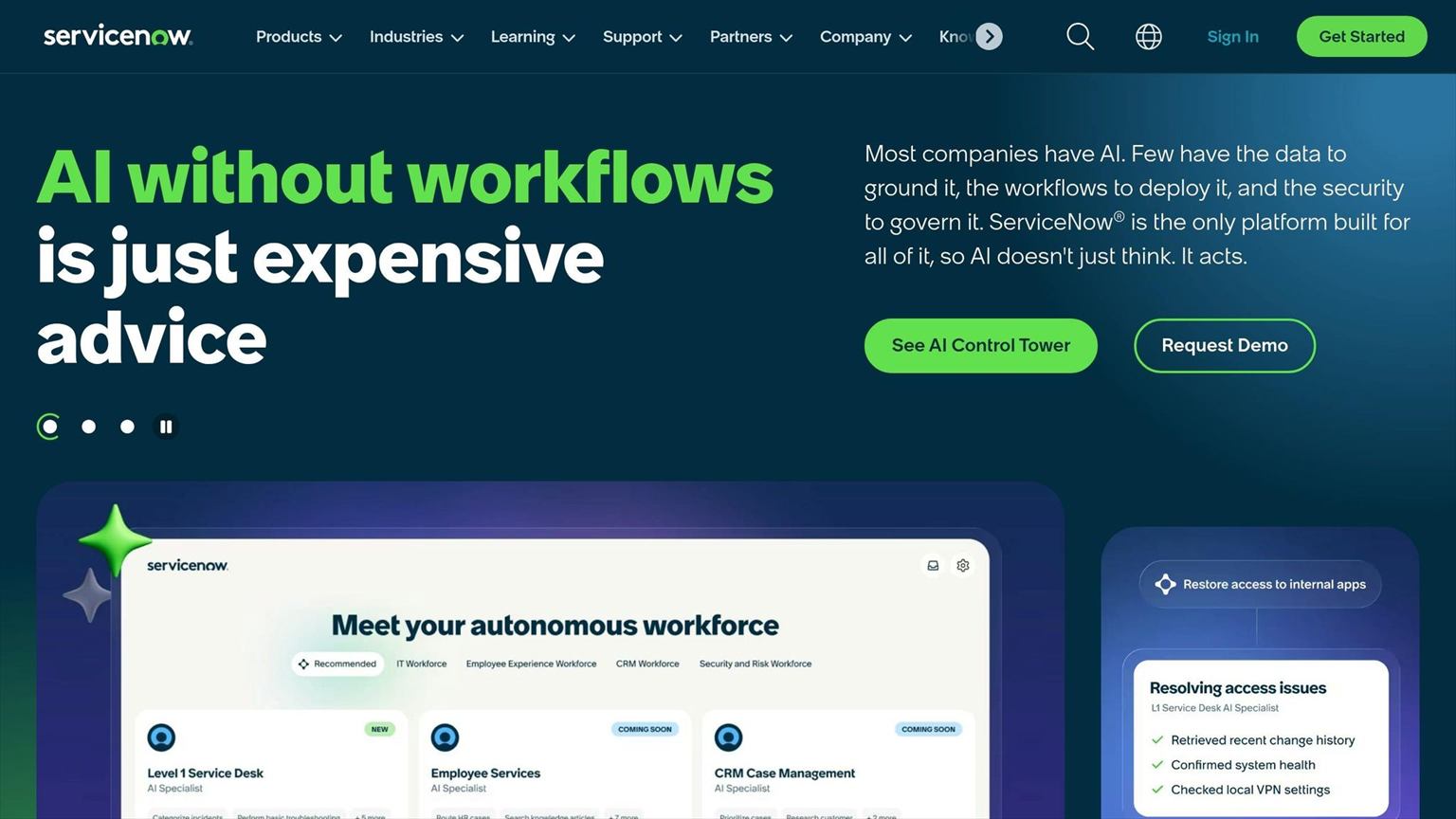
Healthcare Referral Management and the Power of AI with ServiceNow and KeenStack
Implementation Considerations
Rolling out AI-powered referral tools involves more than signing a contract - it requires deep integration with your existing EMR system. The platform must support a two-way connection, meaning it can both read referral orders and write status updates back into your system. Without this functionality, often achieved through FHIR APIs or HL7 feeds, staff may find themselves juggling disconnected systems. This lack of integration can lead to frustration and abandonment of the tool within just two months.
Some tools, like Diagna's Referral Manager, address this challenge by integrating seamlessly with any EMR system without needing a full migration. This approach allows most practices to go live in about four weeks. Such integration simplifies the rollout process and ensures a smoother transition.
Once the system is integrated, a structured rollout plan is crucial to unlock its full potential. Here's a general timeline:
- Week One: Focus on connecting the system and auditing your backlog of untracked or overdue referrals.
- Week Two: Configure workflows by reviewing and approving specialist routing rules, patient communication templates, and escalation protocols.
- Weeks Three and Four: Begin actively tracking referrals and working through the backlog, which often results in an immediate revenue boost.
Training staff is another critical step. It’s not just about teaching them how to use the software; it’s about redefining their roles. Coordinators shift from routine administrative tasks, like chasing paperwork, to managing exceptions that require clinical judgment. Meanwhile, the AI handles straightforward tasks. Training should also clarify when the AI should escalate cases - such as those involving unclear insurance coverage or unusual clinical scenarios.
To measure success, monitor key metrics. Referral completion rates can jump from a baseline of 45 to 50% to as high as 80 to 95%. Staff coordination time can drop dramatically - up to 73% - from 30 hours to just 8 hours per month. Other indicators, like "time-to-first contact" and "time-to-appointment", can show that patients are being scheduled up to three times faster. For a typical 5-provider practice, these improvements can translate into over $162,000 annually in additional revenue and labor savings.
Finally, before committing to a platform, ensure it meets critical compliance standards like HIPAA, SOC 2 Type II certification, and includes a signed Business Associate Agreement. The platform should also provide a documented audit trail for every referral action - sent, received, and patient contacted. This documentation acts as a safeguard against potential malpractice claims related to follow-up failures. For a 5-provider practice, annual costs for these platforms generally range between $6,000 and $15,000.
Conclusion
Managing referrals with traditional methods - like fax, phone calls, and manual coordination - leaves a staggering 25% to 50% of referrals uncompleted. AI transforms this outdated process into a streamlined, closed-loop system that tracks every step, from the referral order to the specialist's final report. By automating tasks such as fax processing, insurance verification, patient outreach, and prior authorizations, AI eliminates the inefficiencies of manual workflows.
The impact on both finances and operations is striking. Clinics using AI-driven referral platforms report referral completion rates rising from the industry standard of 50 to 65% to over 90%. For a typical five-provider practice, this improvement translates to over $162,000 annually in recovered revenue and labor savings. Beyond financial gains, AI provides an auditable process that reduces the risk of malpractice claims tied to missed follow-ups and ensures patients receive timely care. These benefits are reshaping clinical operations in profound ways.
"The best referral isn't the one your provider orders. It's the one your patient completes. AI makes sure that's every referral, not just the lucky ones."
By automating routine tasks and offering real-time updates on referral statuses, AI platforms allow clinics to scale their operations, managing up to 30% more referrals without increasing administrative staff. This shift lets coordinators focus on more complex clinical decisions, improving outcomes for both patients and providers.
To prevent referral leakage from draining revenue and eroding patient trust, clinics need to embrace AI-powered solutions. Tools like Diagna's Referral Manager tackle the seven critical challenges discussed in this article - addressing issues such as lost referrals, scheduling delays, incomplete data, limited visibility, poor coordination, authorization bottlenecks, and security risks. These platforms not only streamline workflows but also ensure secure and efficient referral management, setting a new standard for patient care.
FAQs
What referral KPIs should we track to prove AI is working?
When evaluating the impact of AI in managing referrals, certain key performance indicators (KPIs) stand out. These include:
- Referral completion rates: A measure of how effectively referrals are finalized, indicating smoother workflows.
- Reduction in referral leakage: Tracks how well the system retains patients within the network, minimizing lost opportunities.
- Accuracy of real-time tracking: Assesses how precisely referrals are monitored and updated in real-time, ensuring better coordination.
- Patient follow-up rates: Reflects the system's ability to support timely and effective follow-ups, contributing to improved patient outcomes.
Together, these metrics provide insight into how AI-driven solutions enhance care coordination and streamline operations.
How does AI integrate with our EMR without a full migration?
AI connects with your EMR using advanced platforms like Diagna, allowing for secure automation and smooth data sharing. The best part? It doesn’t demand a complete system overhaul. This means your current workflows stay intact and precise, all while ensuring your existing systems remain fully compatible.
How do we keep AI-driven referrals HIPAA-compliant and auditable?
To keep AI-driven referrals in line with HIPAA requirements and ensure they remain auditable, organizations should prioritize the following measures:
- End-to-end encryption: Protect data in transit and at rest to prevent unauthorized access.
- Multi-factor authentication: Add an extra layer of security for system access.
- Detailed audit trails: Maintain comprehensive logs to track access and activity.
Additionally, AI systems should steer clear of storing raw patient data. It's also crucial to operate under signed Business Associate Agreements (BAAs) to uphold both compliance and security standards.
Referral management
Diagna finds referrals in your faxes, flags anything missing, and keeps each one moving until the patient is booked.
See how Diagna manages referrals