Why Specialty Clinics Lose 4 Hours a Day to Manual Faxes
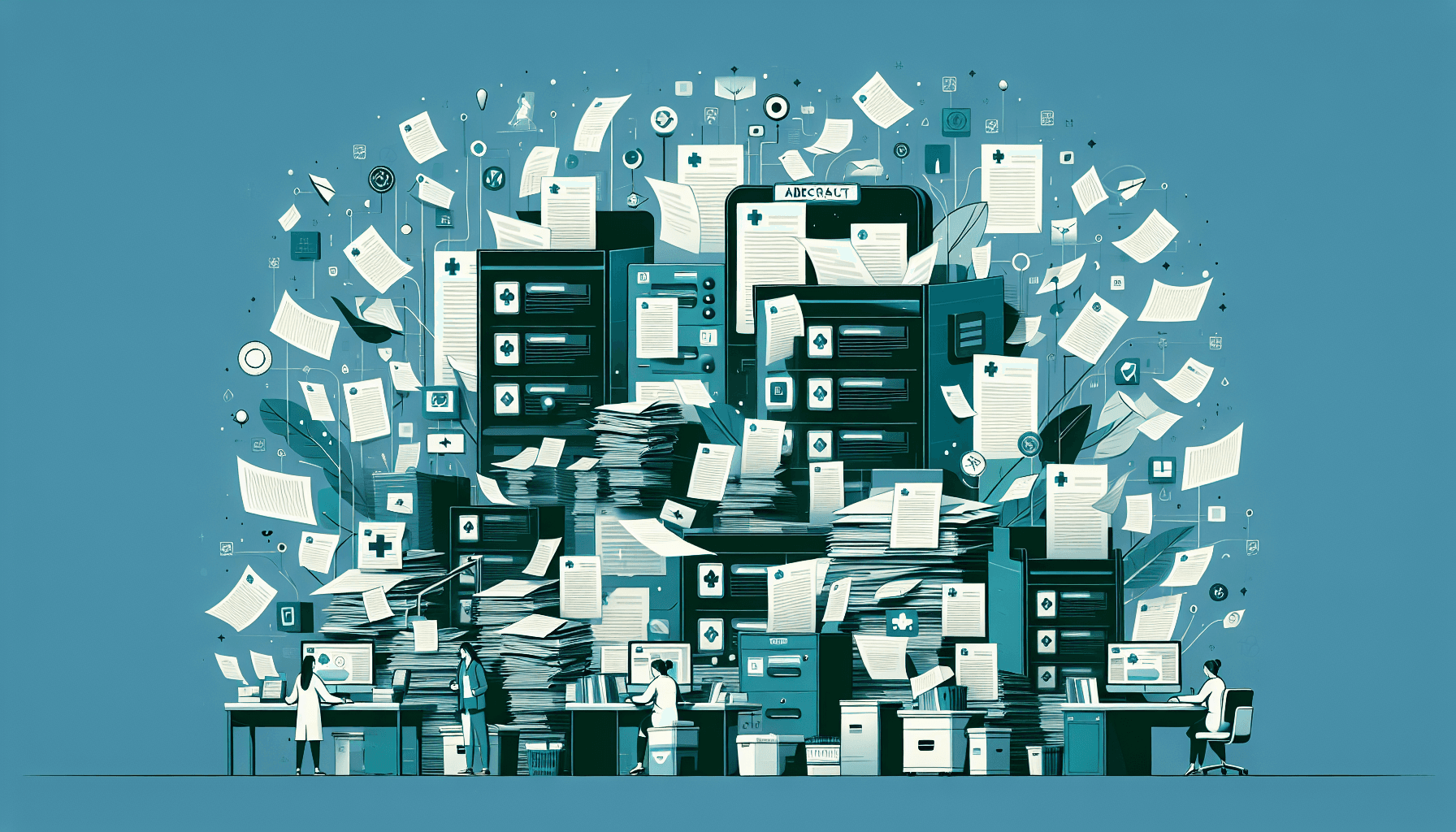
It is 8:30 a.m. at a cardiology clinic. Before the first patient walks in, someone has already pulled a stack of overnight faxes from the machine, sorted through them, figured out which ones are referrals versus insurance denials versus lab results, and started logging patient data into the EMR by hand.
That process repeats throughout the day. On average, a busy specialty clinic receives 100+ faxes daily. Each one requires a person to open it, read it, classify it, and route it. According to recent data, 52% of faxed documents require manual processing after receipt - more than half of everything coming through the fax line, touched by hand.
Here is why that is still happening in 2026, what it actually costs, and what the practices getting ahead of it are doing differently.
The Scale of the Problem
71% of healthcare organizations have not implemented fully automated fax workflows, according to MGMA data from early 2026. The US sends an estimated 9 billion pages of healthcare documents by fax every year.
For specialty clinics, fax is the primary channel through which referrals, insurance pre-authorizations, lab results, and medical records arrive. A March 2026 MGMA Stat poll found that 73% of practices have a digital fax solution integrated with their EHR — but digital does not mean automated. Most digital fax setups still require staff to open each document, read it, classify it, and route it manually. They have replaced the physical machine with a screen. The labor is the same.
The downstream effects are measurable. 88% of hospital administrators report that fax delays negatively affect patient care. For specialty clinics, this hits directly: a referral sitting unprocessed for 24-48 hours is a patient waiting for an appointment that has not been booked.
Why Fax Is Still Manual in 2026
Fax persists in healthcare for reasons that do not disappear just because better technology exists.
HIPAA established fax as an acceptable method for transmitting protected health information. Many payers, hospitals, and referring practices built their communication workflows around it decades ago. EMR interoperability remains fragmented — different systems do not connect cleanly, and fax became the fallback channel that works regardless of which software each party uses.
For independent specialty practices, this creates a practical constraint. Your referring PCPs send faxes. Your insurance companies send pre-auth decisions by fax. Your labs send results by fax. Unless every party upgrades simultaneously, fax stays a necessary input channel — the question is only whether you automate what happens to it once it arrives.
What Modern Clinics Are Doing Differently
The clinics reducing fax-related admin are not eliminating fax. They are automating what happens after it arrives.
AI-based fax processing reads each incoming document, identifies the type (referral, insurance denial, lab result, medical record, prescription), extracts patient data, and routes it to the right queue or directly into the EMR — without a staff member touching it. One orthopedic group reduced referral processing time from 15 minutes to 90 seconds per document after deploying AI fax triage.
Platforms like Diagna FaxFlo work this way for independent specialty practices — EMR-agnostic, deploying alongside whatever system you already use.
How to Evaluate Fax Automation

EMR-agnostic integration: Should not require switching systems
Document classification accuracy: Misclassification creates more work
Human-in-the-loop design: Staff should review and override flagged docs
HIPAA compliance: Non-negotiable for any system handling PHI
Deployment speed: Six-month implementations do not work for independent practices
Conclusion
71% of practices have not automated fax processing. That gap costs staff hours every day and creates delays patients feel.
If your front-office team spends part of their day opening faxes, classifying documents, and manually entering data - that work can be automated. See what it looks like at diagna.ai
How does AI fax management work in a specialty clinic?
Is AI fax automation HIPAA compliant?
How long does it take to set up fax automation for a specialty clinic?
What is the ROI of automating fax management in a medical practice?
Do I need to change my EMR to use fax automation?